
Basement Waterproofing on Cape Cod
Mussato Building Group finds where water is getting into a Cape Cod basement and fixes it at the source: roof water and grading outside, cracks and gaps in the foundation, or water rising at the base of the walls, where an interior drain and a sump pump carry it out. We are a family-owned general contractor founded in 2004, with more than 100 projects completed and a 5.0 rating from 21 Google reviews.
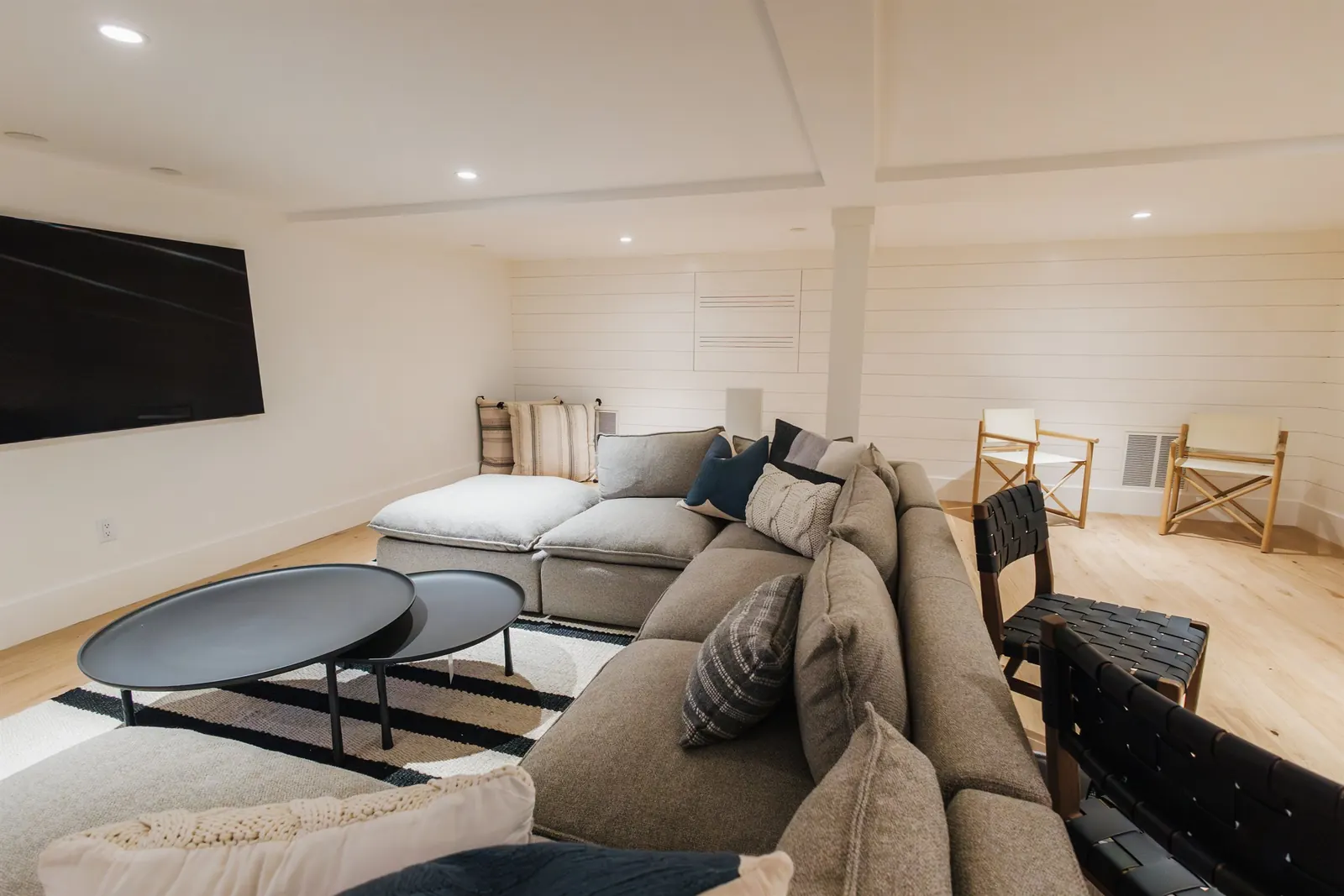
We also finish and remodel basements, so we waterproof with the finished room in mind. A basement is ready to finish once it has stayed dry through a wet season, and we do not build a finished room over a leak.
- Family-owned since 2004
- Licensed + insured in MA
- 100+ projects completed
- 5.0 stars from 21 Google reviews
- BBB accredited
Where the water comes from
Most basement water comes from outside: gutters that overflow, downspouts that empty at the foundation, soil or patios that slope toward the house, and, near the coast and in low areas, groundwater that rises after heavy rain. Damp walls in summer can also be condensation, which a dehumidifier handles and no drain will fix. We find out which one it is before we recommend anything.
The fixes, from simple to involved
We start with the least expensive fix that solves the problem: gutters, downspout extensions, and regrading. Cracks and pipe gaps get sealed. When water keeps coming in at the base of the walls or through the floor, an interior perimeter drain leads it to a sump pit, and a pump sends it outside. Exterior waterproofing, digging down to the footing to seal the wall and add a drain, is the most involved fix and is kept for walls that need it.
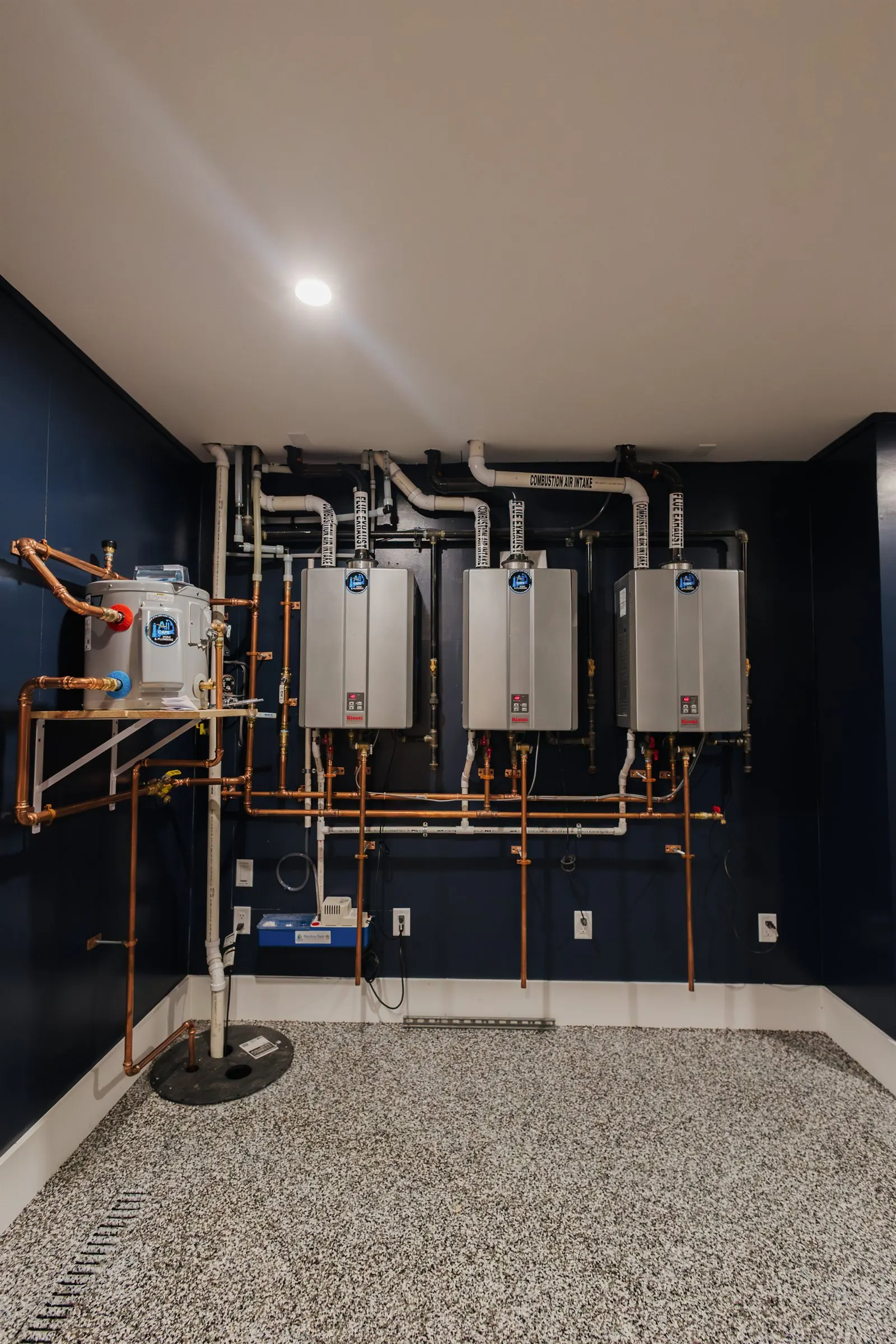
Sump pumps on a septic lot
Most Cape Cod homes are on septic. A septic system is built for wastewater only, so a sump pump must never drain into it. The discharge line runs outside, away from the foundation and the leach field, to a spot where the water will not flow back toward the house.
- Inspection to find where the water gets in
- Gutter, downspout, and grading fixes
- Foundation crack and pipe gap sealing
- Interior perimeter drains
- Sump pumps with battery backup
- Exterior waterproofing and footing drains
- Moisture control before finishing
- Permits where the work needs them
Signs a basement needs waterproofing
Water at the base of the walls
A wet line where the wall meets the floor after rain usually means water pushing in from outside, the case an interior drain is made for.
White powder on the concrete
Efflorescence is mineral salt left behind by water moving through the wall. Moisture is getting through, even if you never see a puddle.
Musty smell or mold
Damp air and mold on boxes, drywall, or wood are signs of moisture to find and fix before the space is finished.
Cracks that leak
Cracks in poured walls and gaps around pipes are common entry points, and most can be sealed from inside.
Downspouts at the foundation
Roof water dumped next to the house is one of the most common causes of a wet basement, and one of the least expensive to fix.
High groundwater
Near the shore and in low areas, the water table can rise after storms. Those basements need a drain and a pump, not just sealing.
“Mussato Building Group has been a loyal and trusted partner of ours for over ten years and one hundred projects. Their professionalism and quality of work are second to none. We look forward to working with them far into the future.”


Our Process
Find the Source
We look at the walls and the floor, and outside at the gutters, downspouts, and grading, to see where the water comes in.
Written Plan
You get the fix we recommend, starting with the least involved one that will work, in a written estimate.
Waterproofing Work
Drainage, sealing, drains, and pumps are installed, with permits and inspections where the work needs them.
Dry, Then Finish
Once the basement stays dry through wet weather, it is ready to finish, and we can plan that next.
Basement Waterproofing in All 15 Towns
- Barnstable, MAHyannis, Barnstable Village, and West Barnstable
- Bourne, MABuzzards Bay, Sagamore, and Sagamore Beach
- Brewster, MAWest Brewster, Brewster Village, and East Brewster
- Chatham, MAChatham Village, North Chatham, and South Chatham
- Dennis, MADennis Village, East Dennis, and South Dennis
- Eastham, MAEastham and North Eastham
- Falmouth, MAFalmouth Village, Woods Hole, and North Falmouth
- Harwich, MAHarwich Center, Harwich Port, and West Harwich
- Mashpee, MAMashpee, New Seabury, and Popponesset
- Orleans, MAOrleans Village, East Orleans, and South Orleans
- Provincetown, MAthe West End, the East End, and the Commercial Street area
- Sandwich, MASandwich Village, East Sandwich, and Forestdale
- Truro, MATruro and North Truro
- Wellfleet, MAWellfleet and South Wellfleet
- Yarmouth, MAYarmouth Port, South Yarmouth, and West Yarmouth
Other work on Cape Cod
- Custom Home Builder on Cape CodNew homes, frame to finish, with one team
- Home Additions on Cape CodRoom additions, second floors, and in-law suites
- Home Remodeling on Cape CodKitchens, bathrooms, and whole-home renovations
- Deck Builder on Cape CodNew decks, deck replacement, stairs, and railings
- Deck Replacement on Cape CodTear-out and rebuild of old, soft, or unsafe decks
- Basement Finishing on Cape CodMedia rooms, gyms, bars, guest suites, and egress windows
- Basement Remodeling on Cape CodDated or damp finished basements rebuilt from the foundation in
- Basement Egress Windows on Cape CodCode-size escape windows and window wells for basement bedrooms
- Bathroom Remodeling on Cape CodTile showers, tubs, vanities, and powder rooms
- Kitchen Remodeling on Cape CodLayouts, islands, custom cabinetry, and counters
- ADU Builder on Cape CodDetached guest cottages, in-law suites, and garage conversions
- Roofing Contractor on Cape CodRoof replacement, new roofs, and storm damage repair
- Deck Staining on Cape CodCleaning, repairs, and stain for wood decks
Basement Waterproofing FAQ
Can you waterproof a basement from the inside?
In many cases, yes. An interior perimeter drain with a sump pump handles water that comes in at the base of the walls or under the floor, without digging up the yard. Water coming through the walls themselves can need exterior waterproofing.
Do I need a permit for basement waterproofing?
Fixing gutters and sealing cracks do not need one. A new circuit for a sump pump needs an electrical permit pulled by a licensed electrician, and digging near a wetland, the shore, or a coastal bank can need a Conservation Commission review. We tell you what your job needs.
Will a dehumidifier fix a wet basement?
Only if the problem is condensation. Tape a square of plastic sheet to the wall for a day or two. Moisture on the room side means condensation, which a dehumidifier handles; moisture behind it means water is coming through the wall.
What happens to a sump pump in a power outage?
A pump without power stops, usually during the storm that brought the water. A battery backup keeps it running, so it is worth including with any new sump pump.
Can I finish my basement after waterproofing?
Yes, once it has stayed dry through a wet season. We finish basements with insulation and vapor control made for below-grade walls, so the new room stays dry.
Which towns do you waterproof basements in?
All 15 towns of Barnstable County: Barnstable, Bourne, Brewster, Chatham, Dennis, Eastham, Falmouth, Harwich, Mashpee, Orleans, Provincetown, Sandwich, Truro, Wellfleet, and Yarmouth.
Tell Us About Your Project
© 2026 Mussato Building Group Inc. All rights reserved. Yarmouth, MA, Serving Cape Cod.